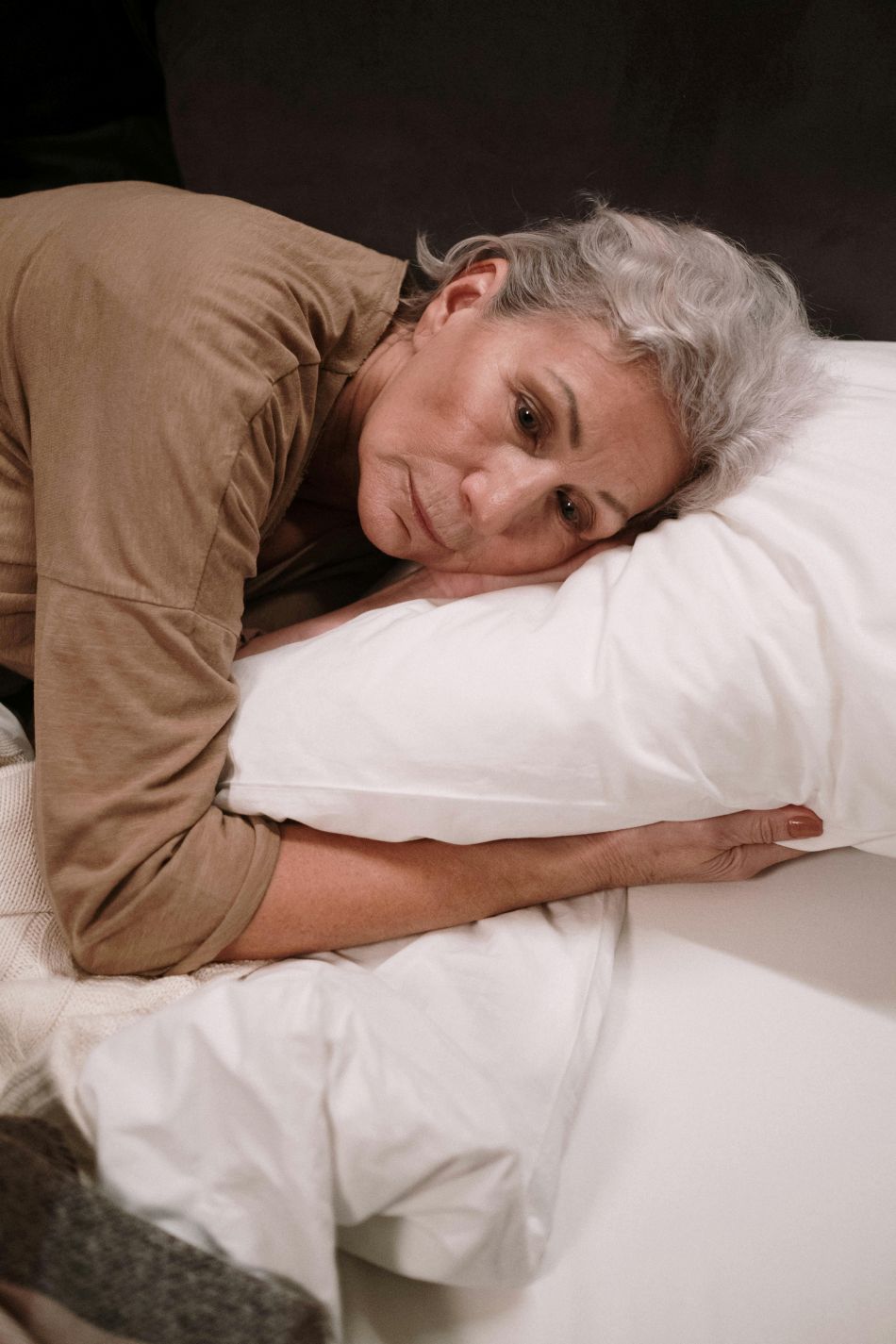
Aging is a natural and beautiful journey. With time comes wisdom, perspective, and a deeper appreciation for life’s simple pleasures. But there’s one thing many people begin to value more than ever as the years go by — comfort. What once felt like a luxury slowly becomes a necessity. Whether it’s the chair we sit in, the shoes we walk in, or the mattress we sleep on, comfort plays a powerful role in health, mobility, and overall happiness.
Let’s explore why comfort becomes more important as we age, and how making small comfort-focused choices can dramatically improve quality of life.
1. The Body Changes — And So Do Its Needs
As we age, the body undergoes natural physical changes:
🔹 Reduced Muscle Mass
Muscles gradually lose strength and elasticity. This can make prolonged standing, walking, or sitting on hard surfaces uncomfortable.
🔹 Joint Sensitivity
Cartilage wears down over time, leading to stiffness or conditions like arthritis. Hard surfaces and poor support increase pressure on joints, especially in the knees, hips, and back.
🔹 Thinner Skin
Aging skin becomes more delicate and prone to irritation. Rough fabrics or tight clothing can cause discomfort that younger bodies might not notice.
Comfort-focused solutions — such as cushioned footwear, supportive chairs, and soft breathable clothing — reduce strain and protect the body from unnecessary stress.
2. Comfort Supports Better Mobility
Mobility is directly connected to independence. When movement hurts, people tend to move less. Less movement leads to stiffness, muscle weakness, and a higher risk of falls.
How Comfort Helps:
-
Supportive shoes reduce foot and knee pain
-
Cushioned flooring or insoles absorb shock
-
Ergonomic furniture supports posture
-
Adjustable beds make getting in and out easier
When the body feels supported, movement feels safer — and people stay active longer.
👉 Helpful Product Idea (Affiliate Opportunity):
Orthopedic memory foam seat cushions and supportive walking shoes designed for seniors can significantly reduce pressure on joints. You can explore highly rated options on Amazon here:
Comfortable Support Cushions
3. Sleep Quality Becomes More Important
Sleep patterns change with age. Many older adults experience lighter sleep, more awakenings, and difficulty getting comfortable.
Why Comfort Matters for Sleep
-
Pressure points become more noticeable
-
Back and hip pain can interrupt rest
-
Temperature sensitivity increases
A comfortable sleep environment is not indulgent — it’s essential.
Improvements That Help:
-
Memory foam or orthopedic mattresses
-
Supportive pillows for neck and knees
-
Soft, breathable bedding
-
Mattress toppers for pressure relief
👉 Affiliate Suggestion:
A memory foam mattress topper can instantly improve comfort and support.
4. Comfort Reduces Stress and Fatigue
The body uses more energy to deal with discomfort. Constant minor aches can lead to fatigue and irritability.
When seating is supportive and clothing fits comfortably:
-
Muscles stay relaxed
-
Circulation improves
-
Energy levels stay higher
-
Mood improves
Comfort contributes not only to physical wellness but also to emotional well-being.
5. Pain Prevention Is Easier Than Pain Treatment
Small discomforts can become chronic pain if ignored. For example:
| Discomfort | Possible Long-Term Effect |
|---|---|
| Poor shoes | Knee, hip, and back pain |
| Bad posture | Spinal strain |
| Hard chairs | Lower back stiffness |
| Inadequate bedding | Neck and shoulder pain |
Investing in comfort today can prevent medical problems tomorrow.
6. Comfort Improves Safety
Falls are one of the biggest health risks in later years. Comfortable, supportive environments reduce this risk.
Safety Through Comfort
-
Non-slip footwear prevents slips
-
Cushioned flooring reduces injury risk
-
Proper back support prevents balance issues
-
Easy-to-use furniture reduces strain
Comfort isn’t just about feeling good — it’s about staying safe.
7. Mental Comfort Matters Too
Emotional comfort becomes just as important as physical comfort.
Soft lighting, cozy spaces, familiar surroundings, and supportive seating create a sense of calm. This can reduce anxiety, improve focus, and enhance overall life satisfaction.
8. Comfort Encourages Social Activity
When people feel physically comfortable, they are more likely to:
-
Go for walks
-
Meet friends
-
Travel
-
Attend social gatherings
Discomfort often leads to isolation, while comfort promotes engagement and joy.
9. Simple Comfort Upgrades That Make a Big Difference
You don’t need a major renovation. Small changes help:
-
Use lumbar support cushions
-
Wear cushioned house slippers
-
Add armrests to chairs
-
Use knee pillows while sleeping
-
Choose clothing with soft, stretchable fabrics
👉 Affiliate Suggestion:
Ergonomic lumbar support pillows are highly recommended for daily comfort.
Lumbar Support Pillows
Conclusion:
Comfort Is a Form of Self-Care
Comfort is not a sign of weakness. It is a sign of wisdom.
As we age, our bodies ask for more support, more softness, and more care. Listening to those signals allows us to stay active, reduce pain, improve sleep, and maintain independence.
Choosing comfort means choosing a better quality of life. And that is something worth investing in — at any age.
Amazon Associate Disclosure
As an Amazon Associate, I earn from qualifying purchases. This means I may earn a small commission at no extra cost to you when you buy through the links on this page. This helps support the website and allows me to continue providing helpful content. Thank you for your support.