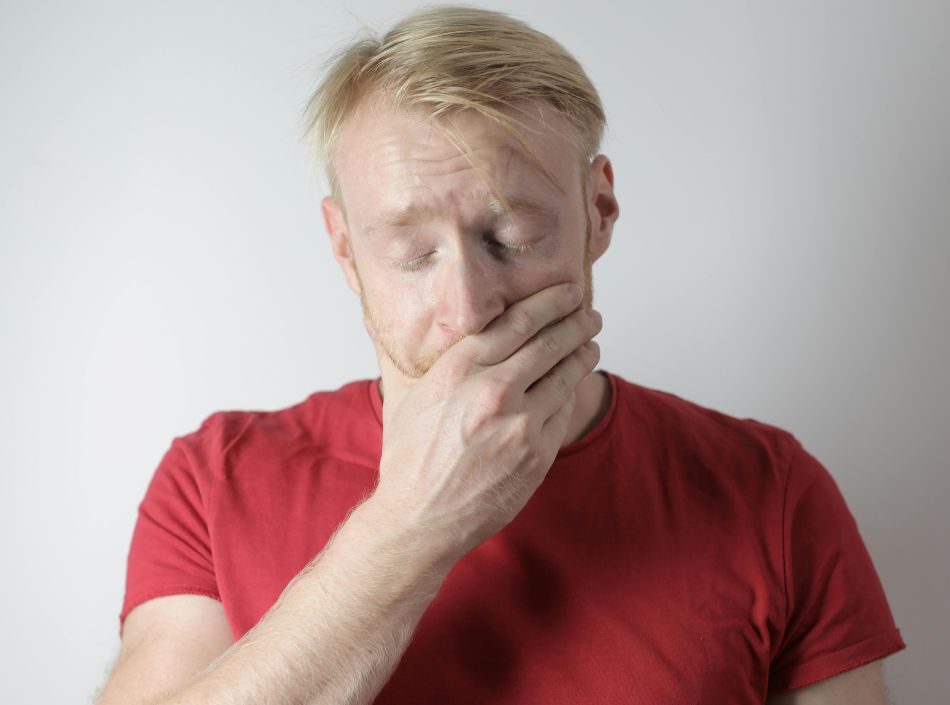
What Stress Really Does to Your Body and Mind (And How to Take Back Control)
Stress is something we all experience. A tight deadline. Financial worries. Health concerns. Family responsibilities. In small doses, stress can actually sharpen your focus and improve performance. But when stress becomes chronic, it silently chips away at your body, mind, and overall well-being.
If you’ve ever felt exhausted for no clear reason, struggled with weight gain, brain fog, irritability, or poor sleep — stress may be the hidden culprit.
In this article, we’ll explore what stress really does to your body and mind, why it happens, and practical ways to reverse its effects naturally.
Understanding Stress: What Happens Inside Your Body?
Stress triggers your body’s “fight or flight” response, a survival mechanism designed to protect you from danger.
When you perceive a threat, your brain signals your adrenal glands to release hormones like:
- Cortisol
- Adrenaline
- Norepinephrine
These hormones increase heart rate, raise blood pressure, and send extra glucose into the bloodstream for quick energy.
This response is helpful if you’re escaping danger. But modern stress — emails, bills, relationship tension — keeps this system activated for days, weeks, or even years.
That’s when problems begin.
How Chronic Stress Affects Your Body
1️⃣ Stress and Weight Gain
One of the biggest hidden effects of stress is weight gain — especially around the abdomen.
Why It Happens:
- Elevated cortisol increases appetite
- You crave sugary and high-fat foods
- Insulin resistance increases
- Fat storage rises, particularly belly fat
Over time, chronic stress contributes to metabolic imbalance and stubborn weight gain.
👉 Helpful Support:
A high-quality magnesium supplement like this one on Amazon can help calm the nervous system and support cortisol balance:
2️⃣ Stress Disrupts Your Sleep
You may feel exhausted — yet wired at night.
That’s because cortisol should be high in the morning and low at night. Stress disrupts this rhythm.
Common Effects:
- Difficulty falling asleep
- Waking up at 2–3 AM
- Light, non-restorative sleep
- Nighttime anxiety
Poor sleep then increases stress hormones further — creating a vicious cycle.
👉 Sleep Support Option:
Natural sleep aids containing melatonin and L-theanine may help improve sleep quality:
3️⃣ Stress and Digestive Problems
Your gut and brain are deeply connected through the gut-brain axis.
Chronic stress can lead to:
- Bloating
- Acid reflux
- Irritable Bowel Syndrome (IBS)
- Constipation or diarrhea
- Reduced nutrient absorption
Stress reduces blood flow to the digestive system and alters gut bacteria.
A quality probiotic may support gut health during stressful periods:
4️⃣ Stress Weakens Your Immune System
Have you noticed getting sick after a stressful period?
That’s not a coincidence.
Chronic stress:
- Suppresses immune response
- Increases inflammation
- Delays wound healing
- Makes you more vulnerable to infections
Long-term inflammation is linked to heart disease, diabetes, and autoimmune conditions.
5️⃣ Stress and Heart Health
When stress becomes chronic:
- Blood pressure rises
- Heart rate stays elevated
- Arteries stiffen
- Risk of heart attack increases
Studies consistently link long-term stress with cardiovascular disease.
Simple breathing techniques, walking, and meditation can significantly lower stress-induced blood pressure.
What Stress Does to Your Mind
The mental impact of stress is just as powerful as the physical effects.
1️⃣ Brain Fog and Memory Problems
High cortisol levels affect the hippocampus — the part of your brain responsible for memory and learning.
You may experience:
- Forgetfulness
- Difficulty concentrating
- Poor decision-making
- Reduced mental clarity
Over time, chronic stress can shrink certain brain areas involved in cognition.
2️⃣ Anxiety and Irritability
Stress keeps your nervous system in high alert mode.
Symptoms include:
- Restlessness
- Overthinking
- Irritability
- Mood swings
- Feeling overwhelmed
You may react more strongly to minor inconveniences.
3️⃣ Depression and Emotional Exhaustion
Long-term stress can deplete serotonin and dopamine — neurotransmitters that regulate mood.
Chronic stress increases the risk of:
- Depression
- Burnout
- Emotional numbness
- Loss of motivation
If left unaddressed, stress can significantly impact mental health quality of life.
The Cortisol Belly: Why Stress Targets Your Midsection
One of the most frustrating signs of stress is abdominal fat that doesn’t respond to diet or exercise.
Cortisol signals the body to store fat centrally because it’s metabolically accessible in emergencies.
If you’re doing “everything right” but still gaining belly fat, stress reduction may be the missing piece.
Practical Ways to Reduce Stress Naturally
The good news? Your body can recover.
Here are evidence-based strategies:
1️⃣ Daily Movement
Even a 30-minute brisk walk lowers cortisol and boosts endorphins.
You don’t need intense workouts — consistency matters more.
2️⃣ Breathwork and Meditation
Deep breathing activates the parasympathetic nervous system — your “rest and digest” mode.
Try:
- 4-7-8 breathing
- Box breathing
- Guided meditation
👉 Helpful Resource:
This highly rated stress-relief program on ClickBank teaches guided relaxation and cortisol-reduction techniques:
3️⃣ Adaptogens for Stress Support
Herbs like:
- Ashwagandha
- Rhodiola
- Holy Basil
May help regulate cortisol levels naturally.
4️⃣ Improve Sleep Hygiene
- Go to bed at the same time daily
- Avoid screens 60 minutes before sleep
- Keep bedroom cool and dark
- Avoid caffeine after 2 PM
Sleep is the most powerful stress recovery tool.
5️⃣ Social Connection
Talking to a friend, spending time with family, or engaging in community reduces stress hormones significantly.
Human connection is medicine. When Stress Becomes Dangerous
Seek professional support if you experience:
- Persistent panic attacks
- Severe insomnia
- Unexplained weight changes
- Chest pain
- Thoughts of hopelessness
Chronic stress is not “just part of life.” It is a health issue that deserves attention.
Final Thoughts:
You Are Not Weak — You Are Overloaded
Stress is not a sign of weakness. It is a biological response to prolonged pressure.
Your body is designed to handle short bursts of stress — not constant activation.
By understanding what stress really does to your body and mind, you can begin to take small, powerful steps toward balance:
- Move daily
- Sleep deeply
- Nourish your body
- Calm your nervous system
- Seek support when needed
Your health is worth protecting.
Reducing stress doesn’t mean eliminating responsibility. It means strengthening resilience.
And that’s a goal within reach.
Affiliate Disclosure
This article may contain affiliate links to products on Amazon.com and ClickBank.com. If you purchase through these links, we may earn a small commission at no additional cost to you. We only recommend products and programs that we believe may provide value to our readers.