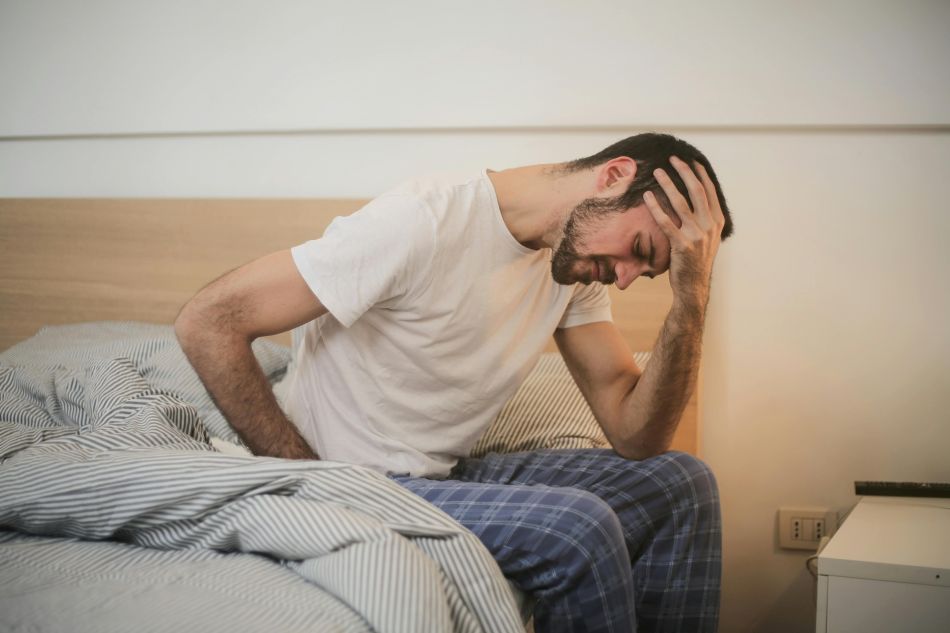
After a long, stressful day, a glass of wine or a peg of whisky may feel like the perfect nightcap. Many people believe alcohol helps them sleep better because it makes them feel drowsy and relaxed. But here’s the surprising truth: alcohol may knock you out quickly, yet it quietly sabotages your sleep quality throughout the night.
If you often wake up at 2 or 3 AM after drinking, struggle with dry mouth, or feel tired despite “sleeping” for 7–8 hours, alcohol could be the hidden culprit.
In this article, we’ll explore the science behind alcohol and sleep, why it initially makes you sleepy, why it wakes you up later, and how you can protect your rest for better health and longevity.
How Alcohol Affects Your Brain Before Bed
Alcohol is classified as a central nervous system depressant. When you drink:
- It increases GABA (gamma-aminobutyric acid) — a calming neurotransmitter.
- It suppresses glutamate — which normally stimulates the brain.
- It reduces brain activity, making you feel relaxed and sleepy.
This sedative effect is why alcohol feels like a sleep aid. You may fall asleep faster than usual — sometimes within minutes.
But here’s the key distinction:
Alcohol causes sedation, not natural sleep.
Sedation and restorative sleep are not the same thing.
The First Half of the Night: Why You Fall Asleep Fast
During the first half of the night, alcohol:
- Shortens sleep onset time (you fall asleep faster)
- Increases deep sleep (slow-wave sleep) temporarily
- Suppresses REM sleep (dream sleep)
At first glance, this sounds beneficial. More deep sleep? Faster sleep? What’s the problem?
The issue begins when your body starts metabolizing alcohol.
The Second Half of the Night: Why You Wake Up
As your liver processes alcohol, your body experiences a rebound effect:
1. REM Sleep Rebound
Alcohol suppresses REM sleep early in the night. Later, your brain tries to “catch up,” causing:
- Vivid dreams
- Frequent awakenings
- Light, restless sleep
REM sleep is essential for:
- Memory consolidation
- Emotional balance
- Cognitive clarity
Disrupted REM leads to morning grogginess and poor mental performance.
2. Increased Nighttime Wakefulness
As alcohol leaves your system:
- Adrenaline levels rise
- Heart rate increases
- Cortisol may spike
This causes early-morning awakenings — often between 2–4 AM.
You may find yourself:
- Tossing and turning
- Needing to urinate
- Feeling anxious or restless
3. Dehydration and Dry Mouth
Alcohol is a diuretic, meaning it increases urine production. This can lead to:
- Dehydration
- Dry throat
- Headache
- Leg cramps
If you frequently wake up thirsty or with a dry mouth, dehydration may be contributing.
Helpful Tip: Keep a bedside water bottle like the Hydro Flask Stainless Steel Water Bottle to stay hydrated overnight.
Alcohol and Snoring: A Hidden Danger
Alcohol relaxes throat muscles, which can:
- Increase snoring
- Worsen sleep apnea
- Reduce oxygen levels during sleep
For people with undiagnosed sleep apnea, alcohol can make symptoms significantly worse.
If snoring is an issue, you might consider:
- A snore-reducing mouthpiece device
- Nasal strips such as Breathe Right Nasal Strips
These are widely available on Amazon and can help improve airflow during sleep.
Why You Feel Tired the Next Day
Even if you slept for 7–8 hours after drinking, you may feel:
- Foggy
- Irritable
- Unfocused
- Low in energy
That’s because alcohol fragments sleep architecture.
Healthy sleep cycles look like this:
- Light sleep
- Deep sleep
- REM sleep
- Repeat cycles 4–6 times per night
Alcohol disrupts this rhythm, reducing overall sleep efficiency.
Over time, chronic alcohol use before bed can:
- Increase insomnia risk
- Reduce testosterone levels
- Elevate blood pressure
- Impair immune function
Is Red Wine Different?
Many believe red wine is “healthier” due to antioxidants like resveratrol.
However:
- Alcohol content still disrupts REM sleep.
- Even small amounts can reduce sleep quality.
- The sedative effect does not equal restorative sleep.
The impact depends more on quantity and timing than beverage type.
How Much Alcohol Disrupts Sleep?
Research suggests:
- Even 1–2 drinks can affect sleep quality.
- Higher amounts increase fragmentation.
- Drinking within 3 hours of bedtime is most disruptive.
The closer alcohol is consumed to bedtime, the worse the rebound effect.
How to Drink Without Ruining Your Sleep
If you choose to drink occasionally, consider these strategies:
1. Stop Drinking 3–4 Hours Before Bed
This gives your body time to metabolize alcohol before sleep.
2. Hydrate Well
Alternate each alcoholic drink with a glass of water.
A good bedside humidifier like the Levoit Cool Mist Humidifier can also reduce dry throat discomfort at night.
3. Support Natural Sleep Instead
Instead of alcohol, consider:
- Herbal tea (chamomile, valerian root)
- Magnesium glycinate supplement
- A consistent sleep routine
- Dim lighting after 9 PM
You may explore natural sleep aids such as Nature Made Magnesium Glycinate Capsules which many people use to support relaxation.
Alcohol vs. Natural Sleep Aids
Alcohol may seem cheaper and faster, but natural methods improve:
- Sleep depth
- Hormonal balance
- Heart health
- Mental clarity
Long-term, alcohol before bed creates dependency. The brain begins to associate drinking with falling asleep, making it harder to sleep naturally.
Breaking this cycle can dramatically improve sleep quality within 1–2 weeks.
Special Consideration for Adults Over 50
As we age:
- Alcohol metabolism slows
- Sleep becomes lighter
- Night awakenings increase
For adults over 50, alcohol’s sleep-disrupting effects are stronger.
Reducing evening alcohol intake often results in:
- Fewer awakenings
- Better morning energy
- Improved blood pressure
When to Seek Medical Advice
Consult your doctor if you experience:
- Chronic insomnia
- Loud snoring with choking sounds
- Excessive daytime sleepiness
- Dependence on alcohol to sleep
These may indicate underlying sleep disorders requiring evaluation.
The Bottom Line
Alcohol may help you fall asleep faster — but it quietly disrupts the quality of your sleep.
It suppresses REM sleep, increases nighttime awakenings, worsens snoring, and leaves you feeling tired the next day. Over time, it can contribute to insomnia, hormonal imbalance, and poor overall health.
If better sleep is your goal, reducing or eliminating alcohol before bedtime is one of the most powerful steps you can take.
Restful sleep is not just about duration — it’s about quality.
And quality sleep is one of the greatest investments you can make in your health, energy, and longevity.
Amazon Affiliate Disclosure
As an Amazon Associate, I earn from qualifying purchases. This article may contain affiliate links to products on Amazon.com. If you click on these links and make a purchase, I may earn a small commission at no additional cost to you. This helps support the website and allows us to continue providing valuable health and wellness content.