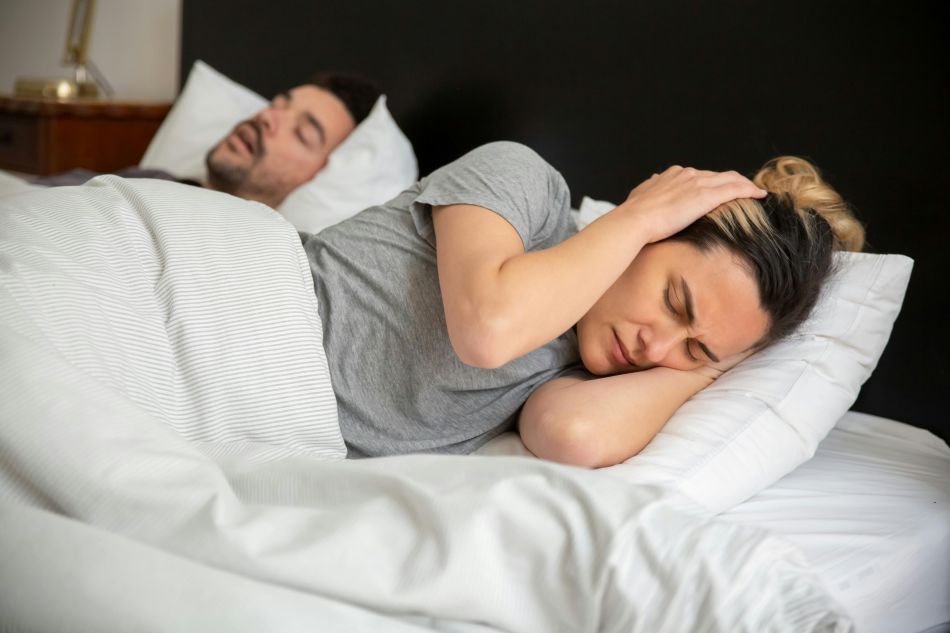
If you’ve ever laid awake at night with a racing mind—replaying conversations, worrying about tomorrow, or feeling that tight, buzzy tension in your chest—you’re not alone. Stress and anxiety are two of the biggest sleep disruptors today, and unfortunately, poor sleep can make both even worse.
The good news? Once you understand how stress and anxiety affect sleep, you can take targeted, realistic steps that actually help—without relying on extreme routines or unrealistic “sleep hacks.”
Let’s break it down.
Why Stress and Anxiety Ruin Sleep
Stress and anxiety trigger your body’s fight-or-flight response, which is great if you’re avoiding danger—but terrible if you’re trying to sleep.
1. Cortisol Keeps Your Brain on High Alert
When you’re stressed, your body releases cortisol, the primary stress hormone. Elevated cortisol levels at night can:
- Delay melatonin (your sleep hormone)
- Increase nighttime awakenings
- Reduce deep and REM sleep
Instead of winding down, your nervous system stays stuck in “on” mode.
2. Anxiety Fuels Racing Thoughts at Bedtime
Anxiety doesn’t just affect how you feel—it affects how your brain behaves when the lights go out. Common anxiety-related sleep issues include:
- Racing thoughts or mental looping
- Fear of not falling asleep (sleep anxiety)
- Hyper-awareness of bodily sensations
This creates a vicious cycle: the more you try to sleep, the harder it becomes.
3. Stress Disrupts Your Sleep Architecture
Chronic stress can reduce the amount of time you spend in restorative sleep stages, especially:
- Deep sleep (physical recovery)
- REM sleep (emotional regulation)
That’s why stressed sleepers often wake up feeling unrefreshed—even after 7–8 hours in bed.
The Stress–Sleep–Anxiety Cycle (And Why It’s So Hard to Break)
Poor sleep increases emotional reactivity, making stress feel more intense the next day. That added stress then makes it harder to sleep again at night.
This loop can lead to:
- Insomnia
- Daytime fatigue
- Increased anxiety sensitivity
- Lower stress tolerance
Breaking the cycle requires calming the nervous system—not just “trying harder” to sleep.
What Actually Helps (Backed by Science)
Let’s focus on practical, evidence-based strategies that work for real people.
1. Calm the Nervous System Before Bed
Instead of forcing sleep, aim to signal safety to your body.
Effective Wind-Down Practices
- 4-7-8 breathing or slow nasal breathing
- Gentle stretching or restorative yoga
- Listening to calm audio (audiobooks, sleep stories, white noise)
A high-quality white noise machine can help mask disruptive sounds and soothe the nervous system.
👉 Example:c White Noise Machine for Better Sleep on Amazon
2. Create a Low-Stress Sleep Environment
Your bedroom should feel like a cue for rest—not stimulation.
Simple Upgrades That Help
- Cool, dark room (60–67°F is ideal)
- Blackout curtains
- Comfortable mattress and pillows
- Soft, warm lighting in the evening
Many people with anxiety find deep pressure stimulation calming.
👉 Example: Weighted Blanket for Anxiety and Sleep
3. Support Sleep With Evidence-Based Supplements
Supplements aren’t magic—but a few can support relaxation when used correctly.
Popular Options
- Magnesium glycinate (calming, less likely to cause digestive issues)
- L-theanine (supports relaxation without sedation)
- Glycine (may improve sleep quality)
👉 Example: Magnesium Glycinate Supplement on Amazon
Always consult a healthcare professional before starting new supplements.
4. Retrain the Anxious Sleep Mindset
If anxiety about sleep itself is the problem, CBT-I (Cognitive Behavioral Therapy for Insomnia) is the gold standard.
CBT-I helps you:
- Reduce sleep-related anxiety
- Stop clock-watching
- Break negative sleep associations
👉 Helpful resource: CBT-I Workbook for Better Sleep
5. Daytime Habits That Reduce Nighttime Stress
What you do during the day matters more than most people realize.
Sleep-Supporting Daytime Habits
- Morning sunlight exposure
- Consistent wake-up time
- Regular movement or exercise
- Limiting caffeine after early afternoon
These habits help regulate your circadian rhythm and lower baseline stress.
What Doesn’t Help (And Often Makes Things Worse)
- Forcing yourself to fall asleep
- Doom-scrolling in bed
- Overtracking sleep metrics
- Using alcohol as a sleep aid
- Catastrophizing a bad night of sleep
One rough night won’t break your health—but stressing about it might.
Final Thoughts: Better Sleep Starts With Less Pressure
Stress and anxiety don’t mean you’re broken—they mean your nervous system is trying (too hard) to protect you.
By shifting your focus from “I must sleep” to “I’m creating the conditions for rest,” sleep often follows naturally.
Small changes, practiced consistently, can dramatically improve both sleep quality and stress resilience.
Affiliate Disclosure
This article contains Amazon affiliate links. If you make a purchase through these links, we may earn a small commission at no additional cost to you. This helps support the site and allows us to continue creating helpful, evidence-based content.